SIFNOS GUIDE
BY SHANNON BENNETT
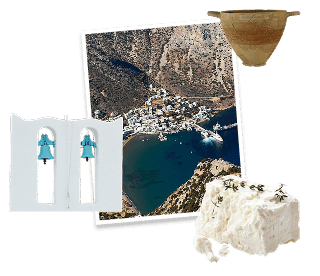
Chef Christos Peskias says to me a lot, “Greeks only need five things in their lives — salt, olives, wheat, milk and grapes. From that we can make anything.” And he’s right. Sifnos is the island that believes that too.
Think Mamma Mia — you’re thinking Italian in Greece. Yes, and yes. This island genuinely has that feel to it: whitewashed villages tumbling down hillsides, courtyards thick with bougainvillea, old women in black still baking in wood-fired ovens because that’s simply how it’s done. But scratch the surface and it’s pure Cyclades, pure Greek island, and prouder of its food culture than almost anywhere else I’ve been in the country.
The real story of Sifnos, though, is summed up by the chickpea. How can something this delicious be made from nothing more than soaked chickpeas grown on the island? Have you ever tried growing chickpeas? It’s bloody hard. Each pod holds only two or three peas, and they’re protected by this thorny husk that pierces your skin like a hot knife through butter. Once you’ve felt that, you look at the humble pulse with a whole new level of respect — it’s not humble at all, it’s earned.
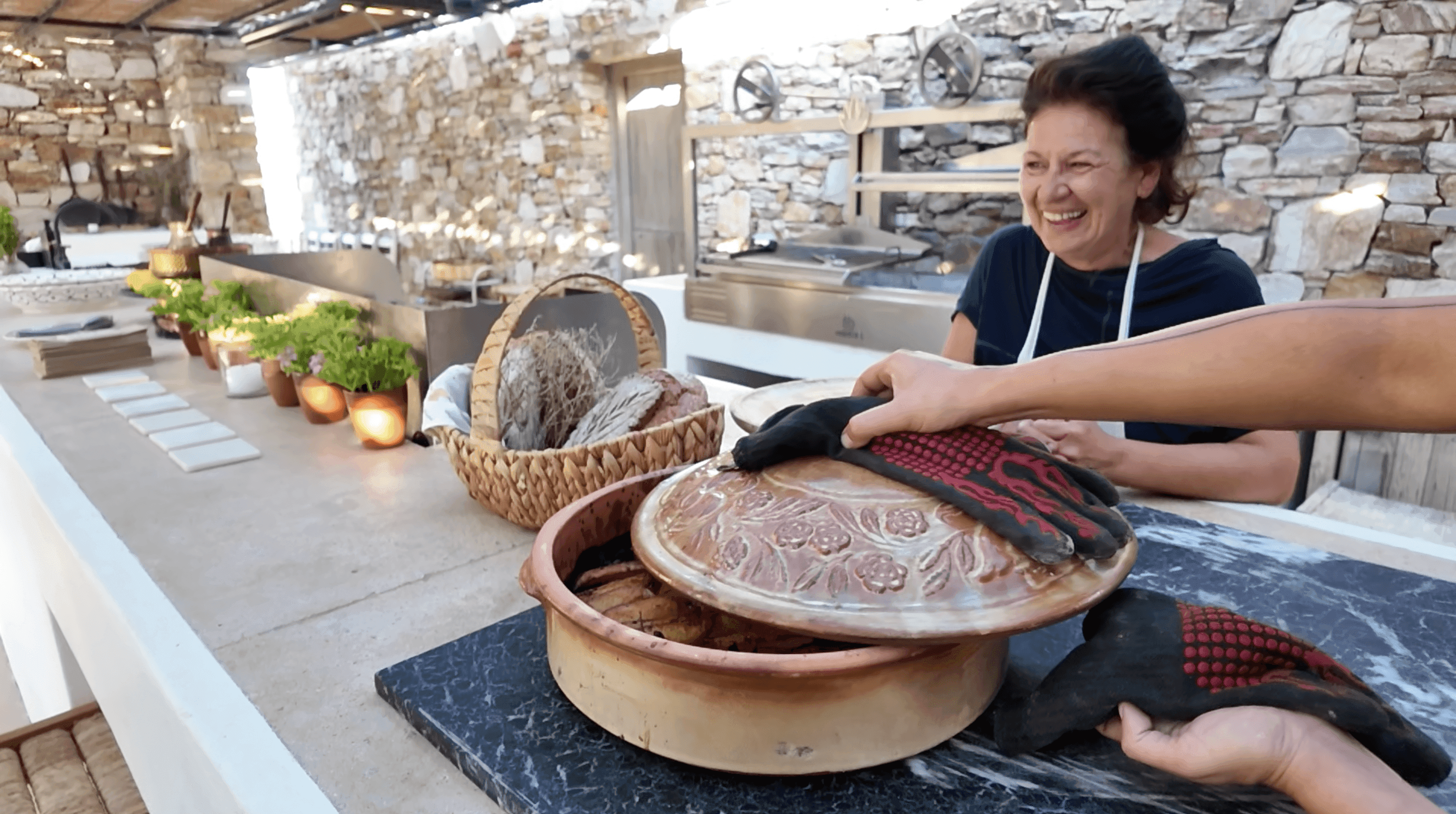
Combine those chickpeas with the sweetest red onions, a Madeira-style local wine, loads of olive oil, a touch of water, and the most incredible hand-thrown clay pots, then cook it low and slow overnight in a wood-fired oven — do this every Saturday in preparation for Sunday’s meal — and you’ve summed up the island in one dish. It’s the most delicious thing I’ve ever eaten. You go back for thirds, then you’re embarrassed, then you go back again anyway. The reason for the ritual is as generous as the dish itself: it gives the house cook — mamá — a full day off on Sundays, because everything she needs to feed the family is already sitting in that pot, cooking itself while she rests.
Four Stories of Sifnos
The first is the story of Nikolaos Tselementes, one of the most influential figures in modern Greek cuisine and a native of Sifnos. After spending time in Europe learning from the disciples of Escoffier, he returned to Greece bringing French technique with him — béchamel among it — along with a more structured, disciplined approach to cooking that Greek kitchens hadn’t really seen before. His influence changed Greek cuisine forever and helped shape many of the dishes we know and cook today, including the modern moussaka. He also wrote The Greek Cooking Guide (Οδηγός Μαγειρικής), which remains in print to this day and still sits on the shelf of pretty much every serious Greek kitchen. Not bad for a boy from a small Cycladic island.
The second is the story of the island itself. Being taken around by the Mayor gave us a unique insight into Sifnos — its people, its politics, its incredible food culture, and how deliberately protective the islanders are of it. The restaurants, the producers, the pottery workshops, the local traditions — none of it is accidental, and none of it is for show. It all contributes to a culinary identity that’s genuinely unique within Greece, and the Mayor’s pride in that was obvious in every conversation we had.
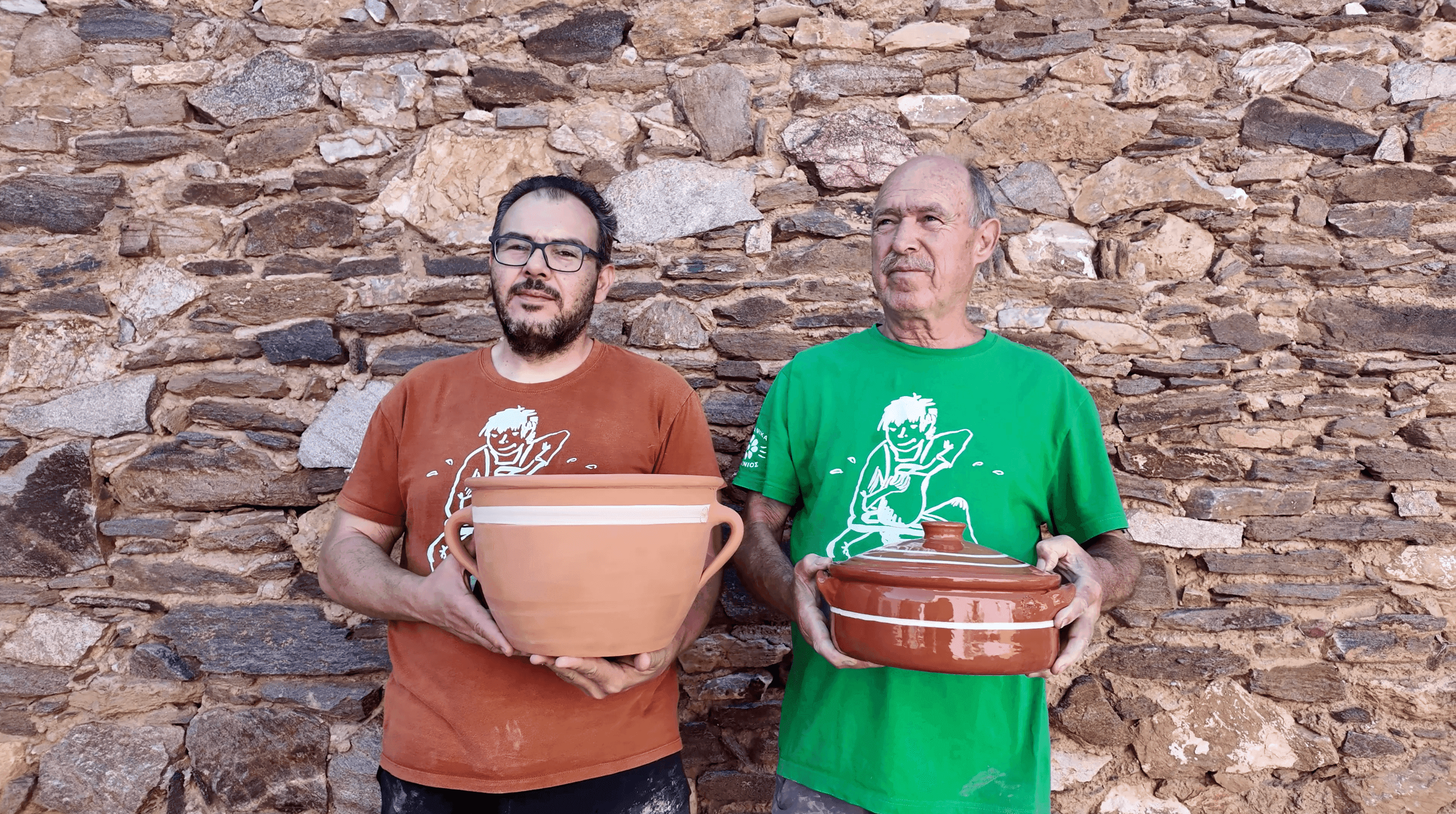
The third is the connection between pottery and food, which sits right at the heart of Sifnos. This island has been making ceramics for thousands of years, and the clay pots aren’t a tourist trinket — they’re still the vessel every serious cook reaches for when they want to make revithada or mastelo properly. That relationship between craftsmanship and cooking, between the potter’s wheel and the wood-fired oven, is something quite special and increasingly rare.
The fourth is Kastro — the old capital, and genuinely a must-visit. Long before Apollonia took over as the island’s chora in 1836, Kastro was the seat of power on Sifnos, continuously inhabited since the third millennium BC and referenced by Herodotus as a flourishing 6th-century BC settlement with its own temple and theatre. What you walk through today is largely the medieval fortress town built by the Da Corogna dynasty around the 14th–17th centuries — an ellipse of houses built wall-to-wall in two defensive rings, the wealthier mansions tucked safely in the inner ring, six stone “loggia” gateways as the only way in or out, and marble from the island’s own quarries built straight into the old acropolis walls at the top of the hill. Wander the alleys and you’ll find Roman sarcophagi, 16th and 17th century chapels with decorated floors, a tiny archaeological museum, and — if you love cats — more of them lounging on the warm stone than you can count. Go for sunset. It’s one of the most photographed corners of the Cyclades for good reason.
The Two Dishes That Define It
Revithada — the classic chickpea preparation. Chickpeas, sweet red onions, thyme, salt and a Madeira-style local wine, all placed into a clay pot with a generous glug of olive oil and a little water, sealed, and cooked in a wood-fired oven for close to 24 hours. Traditionally prepared Saturday evening so it’s ready for Sunday’s main family meal — a dish built entirely around giving the cook a rest.
Mastelo — grapevine cuttings line the base of the pot, followed by salted lamb or goat, onions, thyme and a local rosé-style wine. The pot is sealed and slow-cooked in a wood-fired oven for 15–16 hours. The vine cuttings perfume the meat as it steams in its own juices — the result is astonishingly tender, falling off the bone, and one of the most memorable things you’ll eat on any Greek island.
The craftspeople and producers behind it:
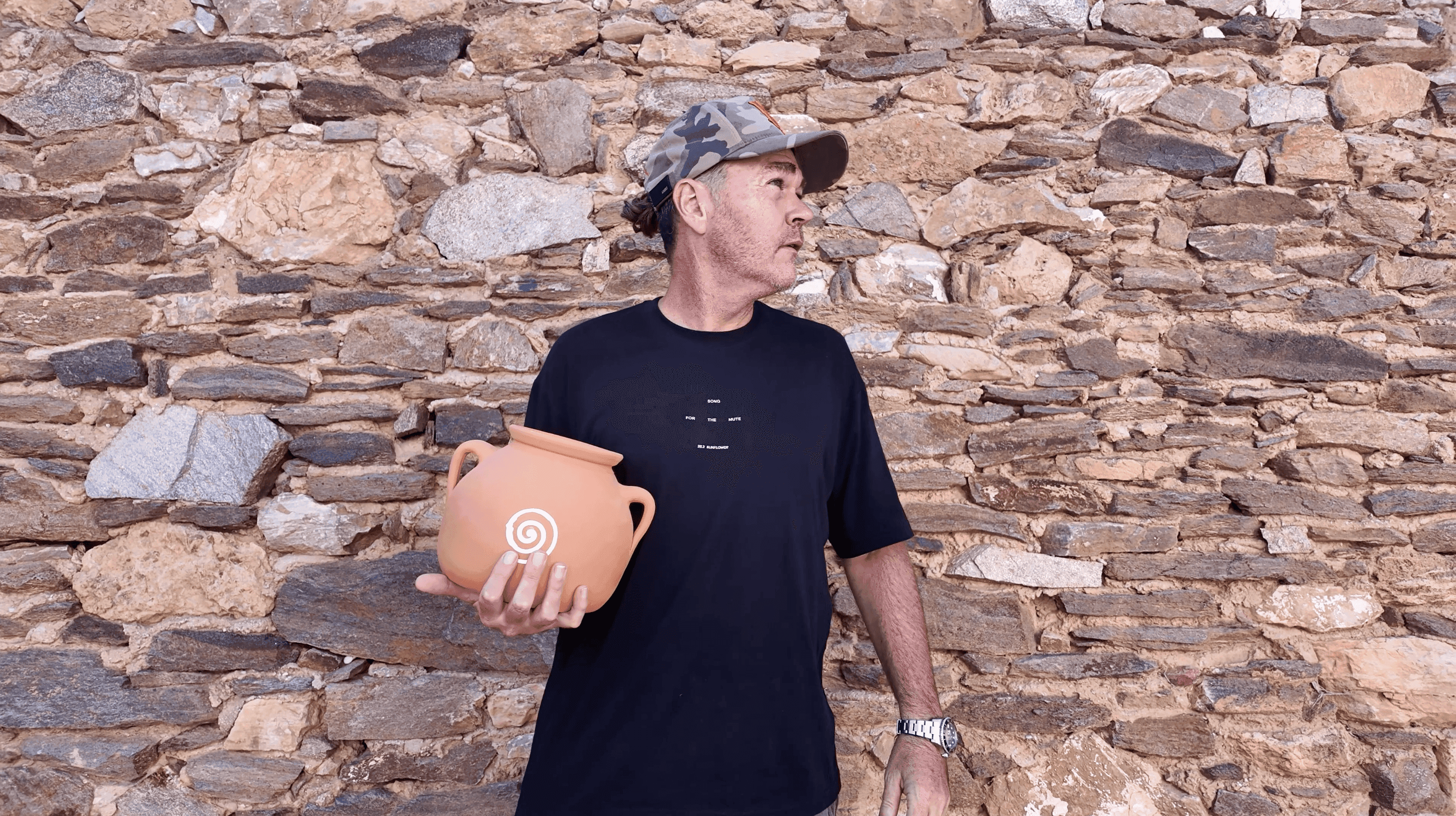
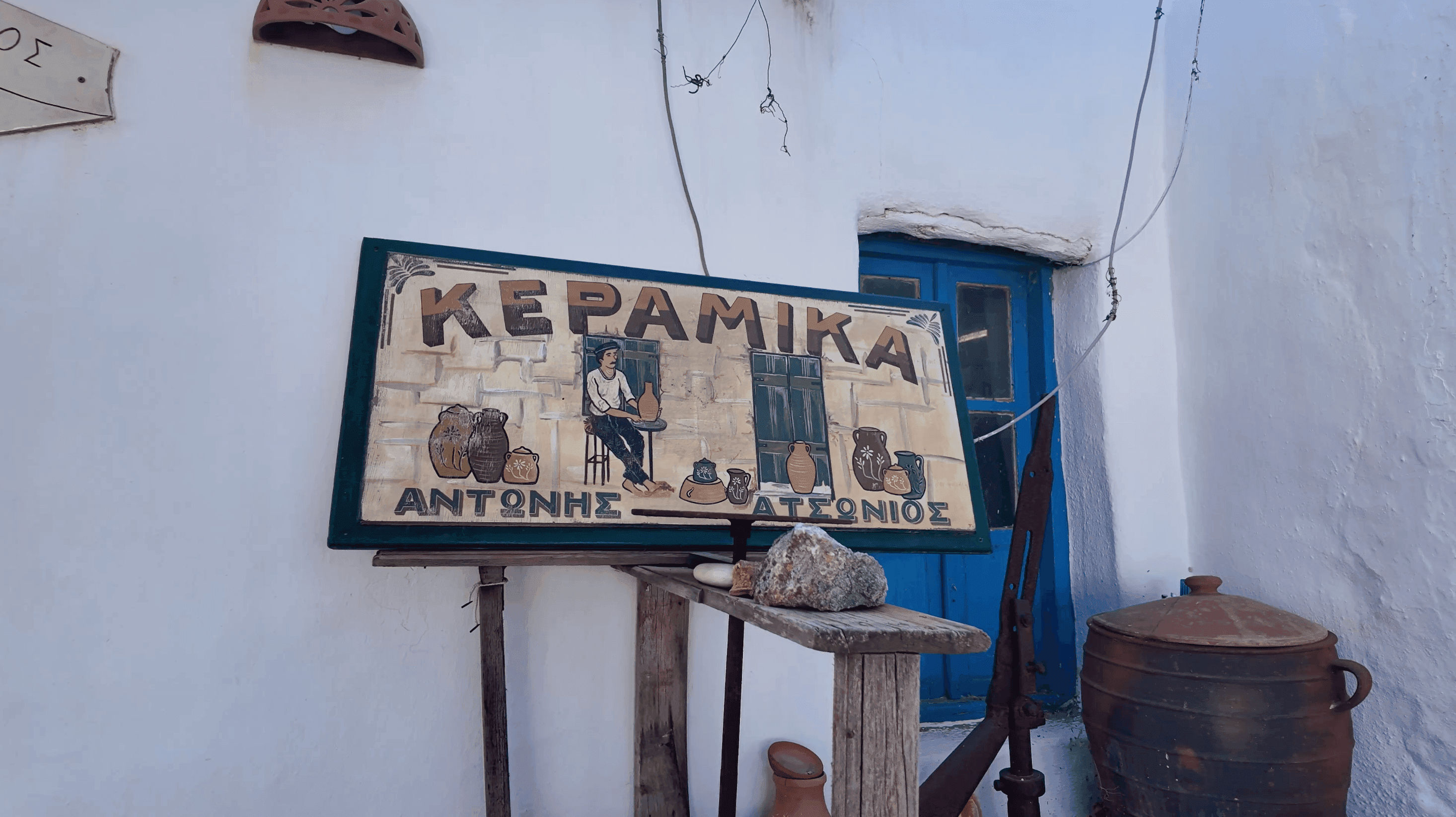
• Atsonios Ceramics (Κεραμικά Ατσώνιος) — the clay pot makers whose work makes revithada and mastelo possible in the first place. Traditional hand-thrown Sifnian pottery, still made the old way.
• Loumidis Family Farm (Πηγή) — a local family farm and producer, part of the same web of small, stubborn producers that keeps Sifnos’s food culture alive.
Apollonia
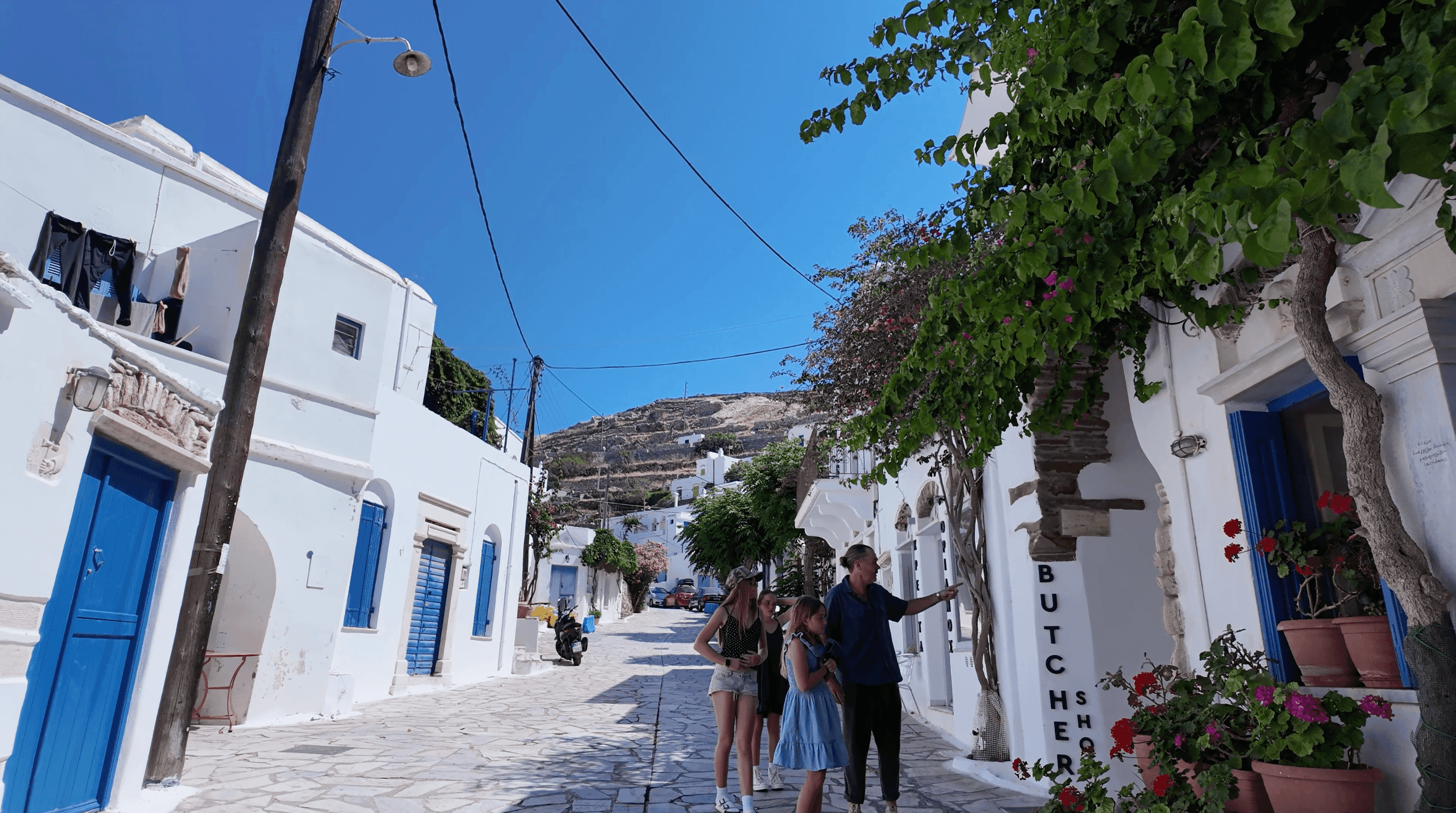
Apollonia is the vibrant capital and main town (chora) of Sifnos, built amphitheatrically across three hills, about 7 kilometres from the port of Kamares. It became the island’s official capital in 1836, taking over from Kastro, and today it’s the beating heart of the island — classic whitewashed Cycladic houses, blue doors, narrow stone-paved alleys, and lively spots to eat, drink and shop from morning until well past midnight.
• Steno (“The Narrow”) — the busy main walking path packed with small boutiques, jewellery and ceramics shops, coffee bars and traditional food spots. This is where the whole island seems to converge in the evening.
• Plateia Iroon (Heroes’ Square) — the central square, home to the island’s folklore museum and a good spot to sit with a coffee and watch Apollonia go by.
• Nightlife and food — the heart of the island’s evening scene, open-air cocktail bars tucked into old courtyards and fine local dining a few steps off the main strip.
Beaches, Trails, and an Island Still on Its Own Terms
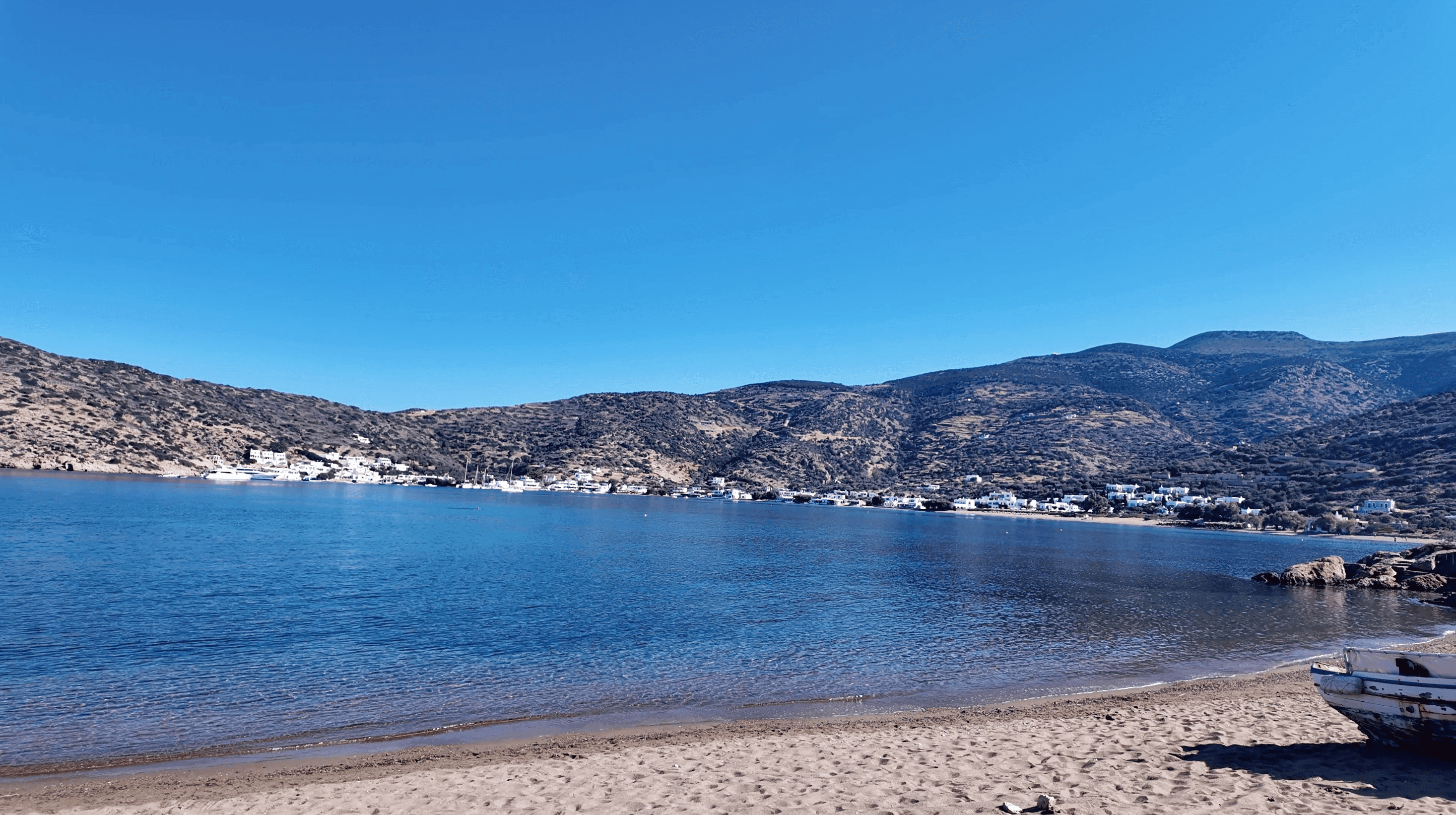
Sifnos doesn’t shout about it, but it’s quietly got some of the best beaches in the Cyclades. Vathy sits at the head of a deep, sheltered bay — calm, clear, backed by that one family’s farm and taverna and not much else. Platys Gialos is the long sweep of golden sand for a proper lazy day. Chrisopigi is smaller and more dramatic, a monastery perched on the rocks right beside the water. Cheronissos, right up at the northern tip, is where the fishing boats still outnumber the tourists. None of it is polished or over-developed — it’s beach the way a Greek island beach is supposed to be.
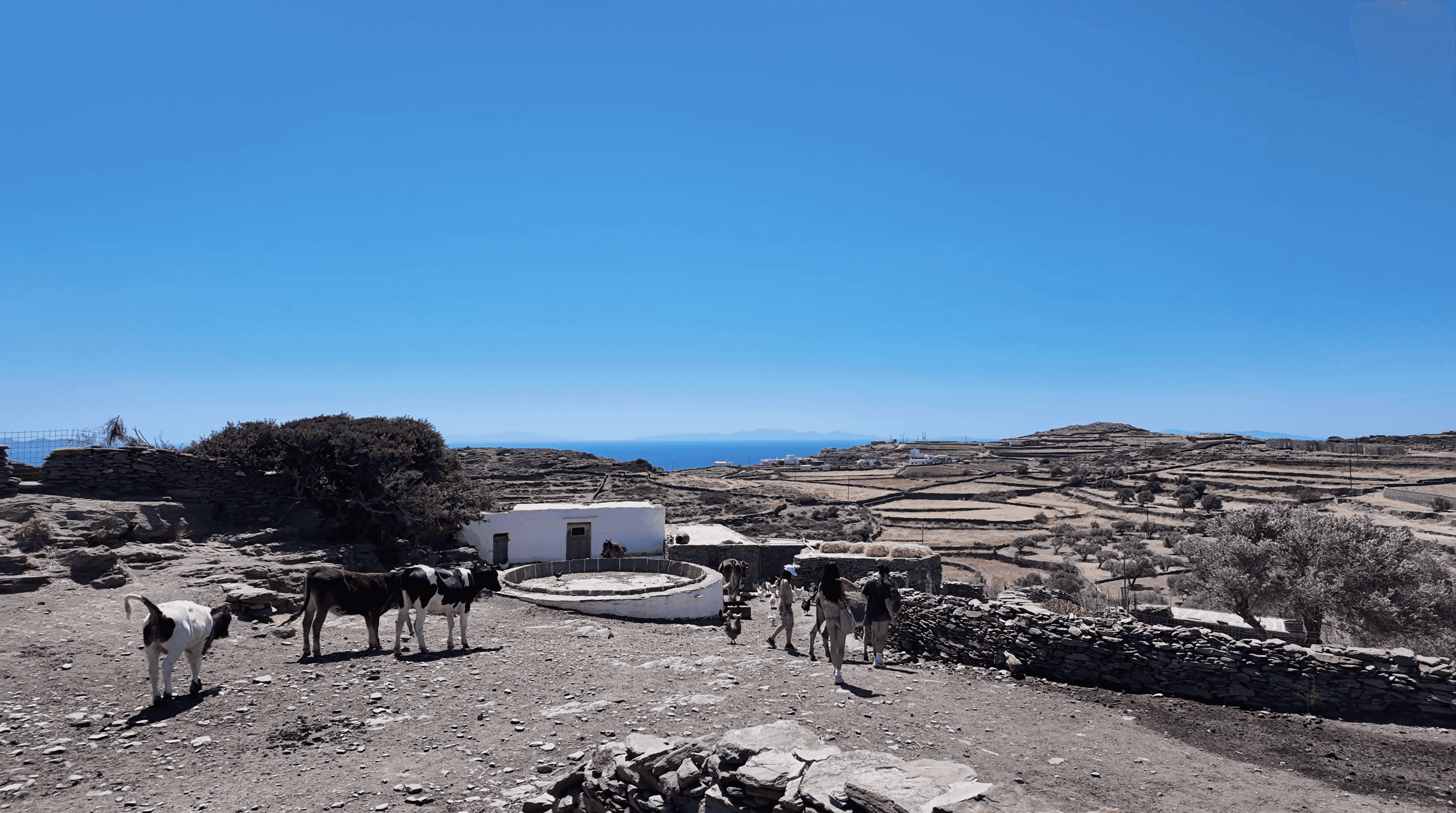
The hiking is some of the best in the Cyclades too, and criminally underrated. There’s an old network of stone paths connecting village to village, monastery to monastery, that predates the road entirely, and a lot of it is still walkable — the trail to Pelicanos is proof enough of that, and there’s a reason it’s rewarded with one of the best meals on the island at the other end. Give yourself a full day and walk between a couple of the coastal villages instead of driving; it’s the only way to really understand how the island fits together.
What makes all of it hit differently is that Sifnos hasn’t been touched by major tourism yet — not in the way Mykonos or Santorini have. It’s raw, it’s historical, and it still carries a genuine sense of place. The people here aren’t finished with their own way of life, and they’re not about to hand it over to the might of tourism just because the rest of the Cyclades has. What’s happening instead, and what I find most special about it, is that tourism here is being made to fit into the local way of life — not the other way around. The rhythm of the island still belongs to the fishermen, the potters, the farmers and the Sunday chickpea pot. Visitors are welcome, but they’re guests in someone else’s story, not the reason the story exists. That’s rare in Greece now, and it won’t stay that way forever — which is exactly why it’s worth going now.
Where to Eat
Omega 3 — Raw, seafood-focused, and about as polished as dining gets on Sifnos. You may well spot Tom Hanks eating here — this is very much the island’s “see and be seen” table without losing sight of the produce.
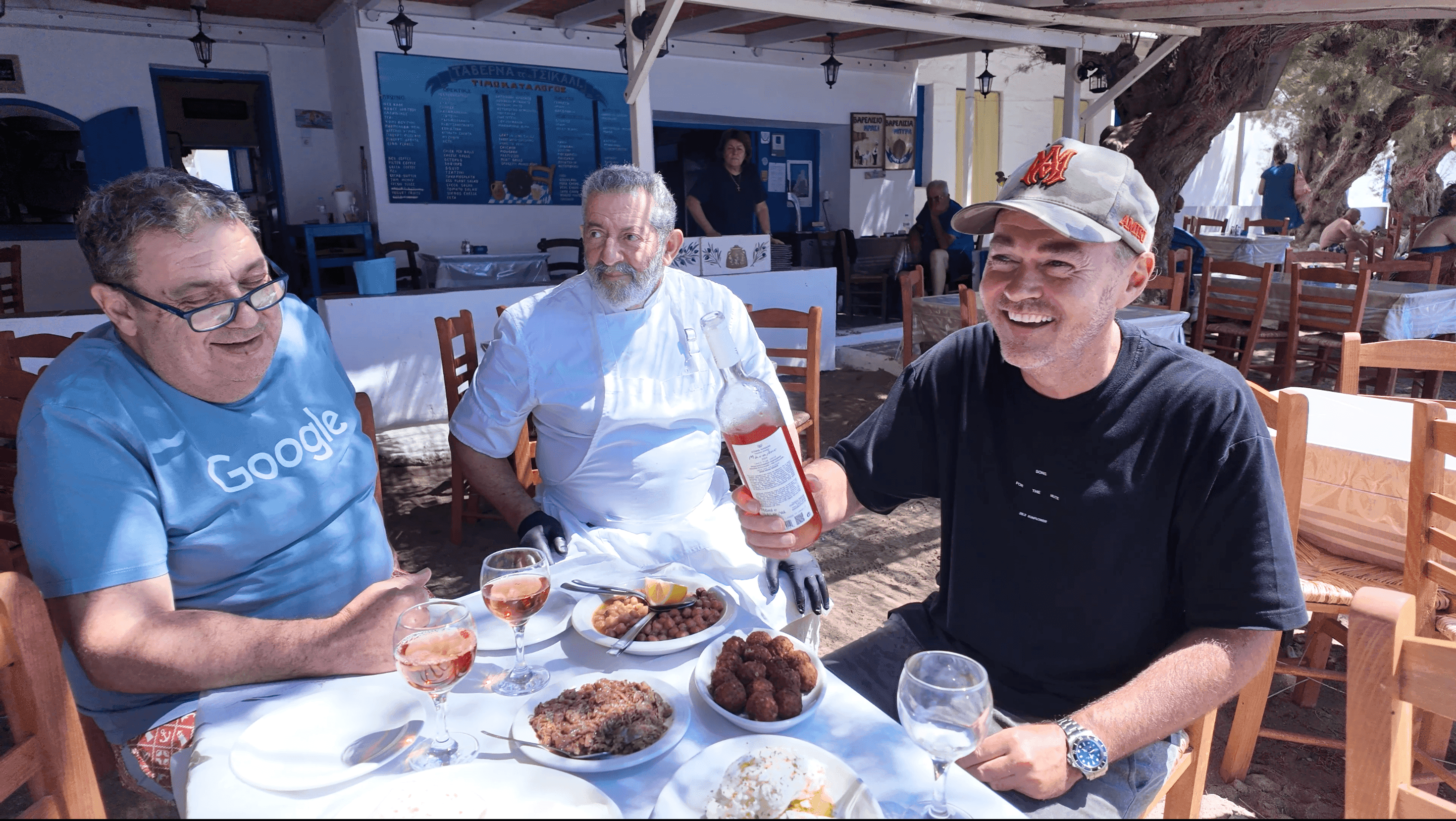
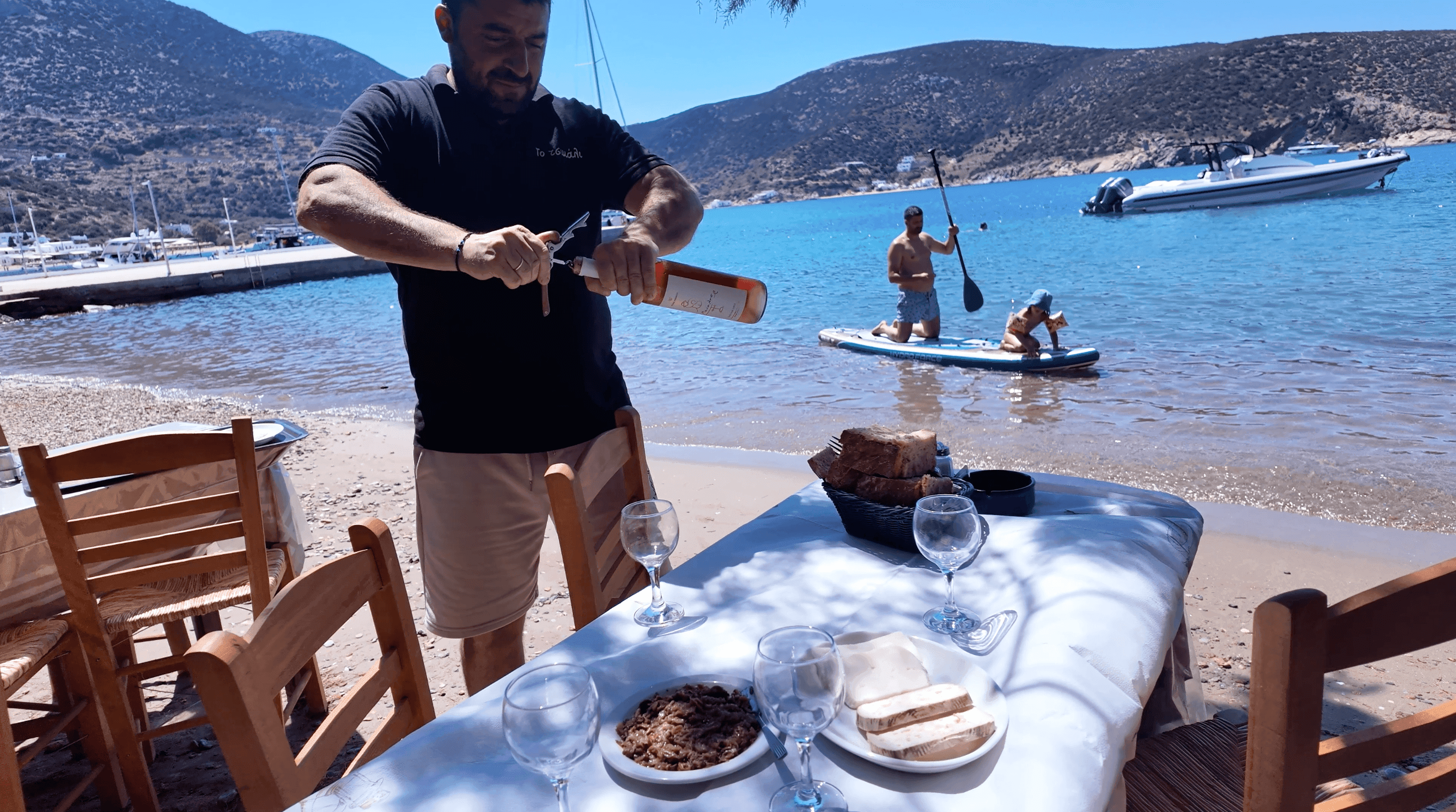
Vathy Beach Taverna — family run, right on Vathy beach, one of the quieter and more beautiful corners of the island. One of the sons runs the family farm in the most inhospitable, rocky part of Sifnos, and somehow it works — they make some of the best, freshest goat’s and sheep’s cheeses I’ve had anywhere in Greece. Three types worth knowing: the freshest, called lóva, has this incredible natural acidity — torn onto warm bread with olive oil, salt, pepper and a few slices of ripe tomato, it’s the perfect lunch, full stop. The second is cooked then moulded into a round and matured slightly, softer and more savoury. The third is matured for six months in the pressings from the bottom of the wine barrel — called mizíthra — funky, intense, and a completely different animal to the first.
Cantina — sister restaurant to Pelicanos, run by the same family and kitchen philosophy but à la carte and easier to get a table at. Seriously great food, and a good option if Pelicanos is booked out.
Pelicanos — the longest, toughest hike on Sifnos, for maybe the greatest meal on the island — though Cantina might argue that point. Set menu, very limited tables, so book ahead. My tip: go for the 4pm sitting, then swim halfway through your late lunch — what I call liinner, somewhere between lunch and dinner and better than both. Run by an Argentinian chef, all-round great guy, but don’t take him lightly — the man can genuinely cook, and the setting (you’ll earn it on the walk in) makes the whole thing feel like an event.
To Livadi — a traditional Greek taverna right by the sea. Simple, relaxed, and a great option for a long, unhurried lunch with your feet practically in the water.
Café Restaurant The Vroulidia — if you’re brave enough to make it down the steep hill, this beach and taverna are well worth it. The taxi will most likely drop you at the top of the hill — for anyone inexperienced on these roads, please don’t attempt to drive down yourself.
Christos’s top picks for Sifnos:
1. Cantina Sifnos
2. Omega 3
3. Pelicanos
4. Bostani Bar and Restaurant
5. Nus
6. Nos the Restaurant
7. Ammoudia Fish Tavern
Where to Stay
There’s a lot of choice on Sifnos — just make sure you bring a car. There’s so much to see, but the island is genuinely spread out and there’s a drive involved wherever you’re headed, whether that’s Kastro, Vathy or one of the beaches.
Nos — number one, for sure. Book early, this one goes fast.
Stamna — great views, my second pick, tied with Elies.
Elies Resort — a great spot with an excellent beach and positioning. A little dated in parts, but it has some brilliant local tavernas right on the sand, and I love the little church on the property.